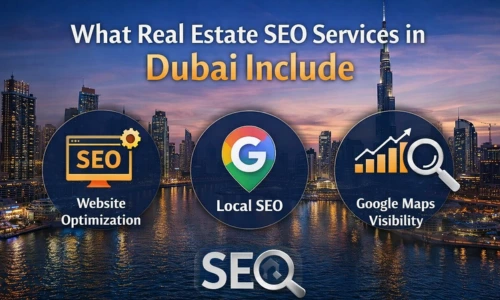
In today’s digital-first property market, having a visually appealing website isn’t enough. Real estate businesses must also ensure that their online presence is discoverable by potential buyers and investors. This is where SEO for real estate websites comes into play. By implementing effective search engine optimization strategies, real estate agencies can attract qualified leads, improve visibility on search engines, and ultimately increase property inquiries and sales.
Understanding SEO for Real Estate Websites
SEO, or Search Engine Optimization, is the practice of optimizing your website to rank higher in search engine results. For real estate websites, this involves a combination of technical optimization, content strategy, and local targeting to capture the attention of home buyers, renters, and investors.
Unlike other industries, real estate SEO faces unique challenges. Listings constantly change, user search intent is highly localized, and buyers often look for specific property types, neighborhoods, or developers. Therefore, a strategic approach is critical.
Key Components of Real Estate SEO
1. Keyword Research for Real Estate
Identifying the right keywords is the foundation of SEO. Real estate websites benefit from a mix of high-intent and local search terms. Examples include:
- “Luxury apartments in Dubai Marina”
- “Off-plan villas for sale in Dubai”
- “Ready-to-move townhouses in JVC”
Long-tail keywords are particularly effective because they match specific buyer intent. Using these strategically throughout your website—from property listings to blog content—can drive highly targeted traffic.
2. On-Page SEO
On-page optimization ensures that search engines can understand your website content. Essential on-page elements include:
- Meta Titles and Descriptions: Craft unique meta titles under 60 characters and descriptions under 160 characters for each property page. Include relevant keywords naturally.
- Header Tags: Use H1 for page titles and H2/H3 for sections to improve readability and SEO structure.
- Internal Linking: Link property pages to related listings and blog articles to improve crawlability and user navigation.
- Image Optimization: High-quality property images should include descriptive ALT text with keywords.
3. Local SEO for Real Estate
Real estate buyers are typically searching for properties in specific locations. Local SEO ensures your website appears in search results for relevant areas. Key strategies include:
- Google Business Profile Optimization: Claim and optimize your Google Business Profile with property photos, business hours, and contact information.
- Localized Content: Create blog posts and landing pages targeting specific neighborhoods or developments.
- NAP Consistency: Ensure your business Name, Address, and Phone number are consistent across all directories.
4. Technical SEO
Technical SEO ensures that search engines can crawl, index, and render your website efficiently. For real estate websites, this includes:
- Mobile Optimization: Most property searches occur on mobile devices. A responsive, fast-loading site is essential.
- Structured Data Markup: Implement schema for real estate listings, including property type, price, availability, and location. This can enhance search listings with rich snippets.
- XML Sitemaps and Robots.txt: Ensure your sitemap is up to date and your robots.txt file allows search engines to index key property pages.
- Page Speed Optimization: Slow-loading pages can hurt rankings and user experience. Optimize images and leverage caching.
5. Content Marketing for Real Estate SEO
Content is critical to establishing authority and attracting organic traffic. Real estate websites can leverage content in multiple ways:
- Property Guides: Informative guides about buying, selling, or investing in specific areas.
- Neighborhood Insights: Detailed articles on local amenities, schools, transport, and lifestyle.
- Market Updates: Timely posts about property trends, investment opportunities, or regulatory changes.
- Video Tours and Virtual Showcases: Multimedia content improves engagement and dwell time, signaling value to search engines.
6. Link Building and Authority
High-quality backlinks signal authority to search engines. Real estate websites can build links by:
- Partnering with local real estate blogs and news portals.
- Publishing press releases about new property launches.
- Collaborating with developers or industry associations for cross-linking opportunities.
7. Analytics and Continuous Optimization
SEO is an ongoing process. Real estate websites must track performance using tools like Google Analytics and Google Search Console. Key metrics include:
- Organic traffic to property pages
- Click-through rates (CTR) from search results
- Lead generation from form submissions
- Keyword ranking improvements
Regular audits help identify technical issues, broken links, and underperforming content. Continuous optimization ensures your website maintains visibility and relevance.
Challenges of Real Estate SEO
While SEO offers immense benefits, real estate websites face challenges such as:
- High Competition: Premium property listings often compete with multiple agencies targeting the same keywords.
- Rapid Inventory Changes: New listings must be indexed quickly, while expired listings require proper redirects to avoid 404 errors.
- User Intent Complexity: Buyers’ searches can range from general property types to very specific location or developer-based queries.
Overcoming these challenges requires a combination of technical expertise, content strategy, and localized targeting.
How Delemon Technology Supports Real Estate SEO
At Delemon Technology, we specialize in crafting SEO strategies tailored for real estate websites. Our approach combines:
- Deep keyword research aligned with buyer intent.
- Optimized website architecture for better crawlability.
- Compelling, localized content to engage prospective buyers.
- Continuous monitoring and reporting for measurable results.
By partnering with us, real estate businesses can improve visibility, attract quality leads, and convert site visitors into clients.
Conclusion
SEO for real estate websites is no longer optional; it is a necessity for businesses seeking long-term growth and visibility. By implementing strategic keyword targeting, technical optimization, localized content, and authoritative link building, real estate agencies can effectively capture and convert their target audience. Partnering with an experienced digital marketing provider like Delemon Technology ensures your website is positioned for success in a competitive market.





Leave a Comment
Share your thoughts on this article