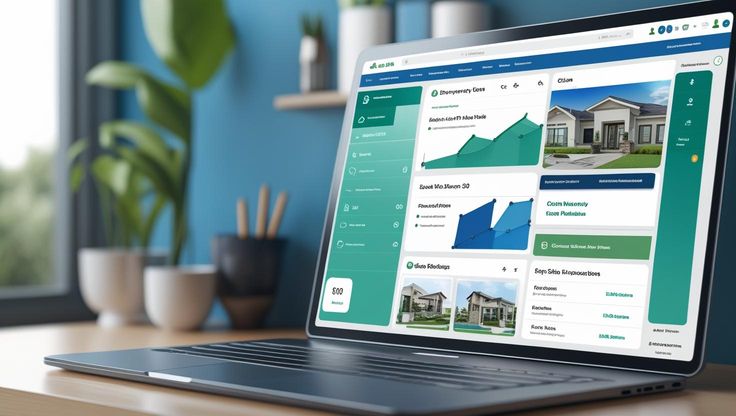
Real estate is built on relationships. Every buyer, seller, investor, landlord, tenant, and referral partner can become a valuable business opportunity when managed correctly. However, handling hundreds or thousands of contacts through spreadsheets, phone records, and messaging apps can quickly become difficult.
This is where real estate contact management software becomes essential. It gives agencies, brokers, and property sales teams a central platform to organise contacts, track communication, manage leads, schedule follow-ups, and understand customer preferences.
Modern systems are also becoming more intelligent. Automation, artificial intelligence, predictive analytics, mobile CRM tools, and property integrations are transforming contact management into a powerful sales and relationship management solution.
What Is Real Estate Contact Management Software?
Real estate contact management software is a digital platform designed to store, organise, and manage customer information related to property sales and services.
Instead of keeping information across multiple platforms, agents can access important client details from one central database.
Common information stored includes:
- Names and contact details
- Buyer or investor preferences
- Preferred property locations
- Property types and bedroom requirements
- Budget ranges
- Communication history
- Viewing appointments
- Follow-up reminders
- Property interests
- Sales pipeline stages
- Notes and documents
This helps property professionals maintain accurate customer records and provide a more organised service.
Why Contact Management Matters in Real Estate
A property buyer may enquire today but purchase months later. An investor may initially ask about an apartment and later become interested in a villa or commercial property.
Without proper contact management, these opportunities can easily be forgotten.
Real estate contact management software helps agents maintain continuous communication with prospects and existing clients. Every interaction can be recorded, allowing the agent to understand the client's journey.
This improves:
- Follow-up consistency
- Response times
- Customer relationships
- Lead conversion
- Team productivity
- Sales visibility
Good contact management ensures that valuable leads do not disappear simply because an agent forgot to make the next call.
Real Estate CRM Software Creates a Centralised Database
Real estate CRM software combines contact management with broader sales and customer relationship tools.
A CRM allows agents to manage leads, customers, deals, tasks, appointments, property interests, and communication from one platform.
Instead of searching through WhatsApp conversations, spreadsheets, emails, and notebooks, agents can open a contact profile and see the complete history.
The platform can show:
- Where the lead came from
- Which properties they viewed
- When they were contacted
- Their preferred location
- Their buying timeline
- Their current sales stage
- The next scheduled follow-up
This centralised visibility makes the sales process easier to manage.
Real Estate Client Management Software Improves Customer Experience
Today's property buyers expect fast and personalised communication.
Real estate client management software helps agents understand each customer's needs before recommending properties.
For example, one buyer may prefer waterfront apartments, while another may be searching for family villas near schools. An investor may focus on rental potential, while an end user may prioritise community amenities.
By storing these preferences, agents can avoid sending irrelevant listings.
Better client data allows property professionals to deliver more personalised recommendations and create stronger long-term relationships.
Property Contact Management System Connects Clients With Inventory
A property contact management system becomes even more useful when client records are connected to property inventory.
Agents can match customer preferences with available properties according to criteria such as:
- Location
- Property type
- Developer
- Bedroom configuration
- Handover period
- Community
- Investment objective
- Property availability
When a suitable new property becomes available, the system can help identify existing contacts who may be interested.
This creates faster opportunities without requiring agents to search manually through old conversations.
Real Estate Lead Management Software Organises New Enquiries
Real estate businesses often generate leads through multiple channels.
These may include:
- Property portals
- Landing pages
- Google Ads
- Social media advertising
- Website forms
- Referral campaigns
- Offline marketing
Real estate lead management software captures and organises these enquiries within one system.
Leads can then be automatically assigned to agents based on predefined rules.
For example, leads may be distributed according to location, property category, language, project, budget, or agent availability.
This reduces response delays and makes lead distribution more organised.
Automating Follow-Ups and Reminders
Follow-up is one of the most important activities in real estate sales.
However, agents managing dozens of active prospects may struggle to remember every call, meeting, or message.
Real estate contact management software can automatically create reminders and tasks.
Agents may receive notifications to:
- Call a new enquiry
- Follow up after a property viewing
- Send project information
- Confirm an appointment
- Contact an inactive buyer
- Request missing documents
- Update a seller
- Reconnect with an old investor
Automation helps agents remain consistent without relying entirely on memory.
CRM for Real Estate Agents Improves Daily Productivity
A CRM for real estate agents should simplify daily activities instead of creating additional work.
Agents need quick access to client information, property listings, tasks, appointments, and communication history.
A modern mobile CRM can allow agents to work from anywhere.
They can update customer notes after a meeting, check property availability during a viewing, review upcoming tasks, and communicate with leads while outside the office.
This improves productivity while keeping customer information updated for the entire team.
Better Sales Pipeline Management
Every property lead goes through different stages before becoming a completed transaction.
A typical sales pipeline may include:
- New enquiry
- Contacted
- Qualified
- Property shared
- Viewing scheduled
- Negotiation
- Documentation
- Deal closed
Real estate contact management software helps agents and managers see exactly where each opportunity stands.
Sales managers can identify leads that have remained inactive for too long and take action before opportunities are lost.
A clear pipeline also supports better forecasting and performance analysis.
Artificial Intelligence Makes Contact Management Smarter
Artificial intelligence is changing how real estate businesses manage customers.
Future-focused real estate CRM software can analyse customer behaviour and recommend the next best action.
AI may help agents determine:
- Which leads are most likely to convert
- Which property matches a buyer's preferences
- When an agent should follow up
- Which contacts have become inactive
- Which clients may be ready to invest again
AI can also summarise previous conversations, helping agents understand a client's history quickly.
Instead of reading dozens of messages, the agent can receive a concise overview of the relationship.
Predictive Lead Scoring
Not every enquiry has the same level of buying intent.
Predictive lead scoring helps identify prospects showing stronger signs of interest.
The system may analyse factors such as:
- Frequency of communication
- Property page visits
- Response behaviour
- Viewing requests
- Budget information
- Project interest
- Previous interactions
Real estate lead management software can then prioritise high-intent prospects so agents spend more time on opportunities that are more likely to convert.
WhatsApp and Communication Integration
WhatsApp has become an important communication channel in many property markets.
Integrating WhatsApp with real estate contact management software helps keep conversations connected to customer records.
Agents can avoid losing important information across personal messaging histories.
Email and calling integrations can also provide a more complete communication record.
Centralising communication helps agencies maintain continuity even if a different team member manages the customer later.
Property Listing and Portal Integration
Modern contact management systems can connect with property listing tools and external portals.
Through API integrations and XML feeds, property information can be synchronised automatically.
This can reduce duplicate data entry and keep property inventory more consistent.
Agents can access updated property details directly from the CRM while communicating with customers.
This creates a smoother connection between contact management, property management, and sales.
Marketing Automation for Property Businesses
Contact data can also support smarter property marketing.
Customers can be segmented according to their interests.
For example, agencies may create groups for:
- Off-plan investors
- Villa buyers
- Apartment buyers
- Waterfront property buyers
- International investors
- Existing landlords
- Previous customers
Marketing automation can then distribute relevant property information to suitable audiences.
This makes communication more targeted and reduces unnecessary messages.
Analytics and Agent Performance Tracking
Contact management data also provides valuable business intelligence.
Managers can monitor important metrics such as:
- Number of new leads
- Response times
- Follow-up activity
- Conversion rates
- Active opportunities
- Deals closed
- Lead sources
- Agent performance
These insights help management understand which marketing channels, agents, and sales processes are delivering better results.
Data-driven decisions can improve both productivity and profitability.
Multilingual and Multi-Currency Support
Real estate businesses often work with international buyers.
Modern real estate client management software may support multiple languages and currencies to simplify communication with overseas investors.
Agents can prepare property presentations in different languages and display financial information in currencies familiar to the customer.
This makes the buying journey easier for international prospects and supports global real estate sales.
How to Choose the Right Real Estate Contact Management Software
The right platform should match the size and operating model of the property business.
Important capabilities to consider include:
- Easy contact organisation
- Centralised customer database
- Lead capture and distribution
- Automated reminders
- Sales pipeline management
- Property inventory integration
- WhatsApp and email integration
- Mobile CRM access
- Reporting and analytics
- API and portal integrations
- AI-powered insights
- Data security
- Scalability
The system should reduce administrative work while helping agents build stronger customer relationships.
The Future of Real Estate Contact Management
The future of real estate contact management software will move beyond simple databases.
Platforms will increasingly use artificial intelligence, automation, predictive analytics, conversational assistants, and real-time property data.
CRM systems may automatically recommend properties, prioritise leads, prepare follow-up messages, predict client intent, and identify new sales opportunities.
Agents will spend less time organising information manually and more time advising customers, negotiating deals, and building relationships.
Conclusion
Real estate contact management software has become an important technology for property agencies, brokers, and sales teams that want to manage customer relationships more efficiently.
By combining a centralised customer database, contact tracking, automated follow-ups, property matching, analytics, and communication tools, it creates a more organised sales environment.
Real estate CRM software provides broader sales visibility, while real estate client management software supports personalised customer relationships. A property contact management system connects buyers with relevant inventory, and real estate lead management software improves lead tracking and conversion.





Leave a Comment
Share your thoughts on this article