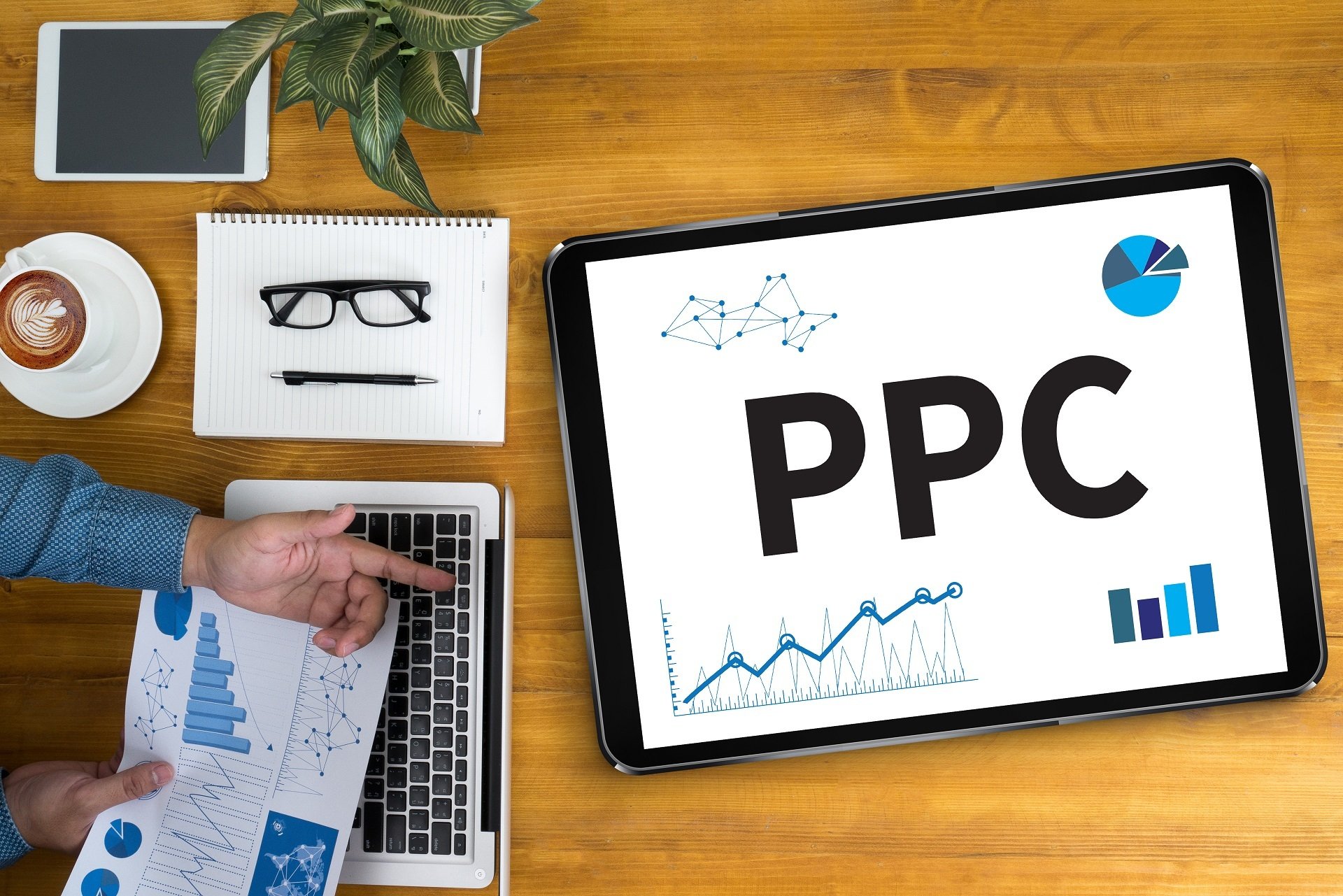
In today’s competitive digital market, businesses cannot depend only on organic traffic to generate consistent leads, sales, and brand visibility. Search engines, social media platforms, and display networks have become powerful spaces where customers actively search, compare, and make decisions. This is where PPC advertising management becomes a valuable part of a strong digital marketing strategy.
PPC, or pay-per-click advertising, allows businesses to appear in front of potential customers at the right moment. Whether someone is searching for a product, service, software solution, real estate company, clinic, restaurant, or professional service, PPC campaigns help brands reach users who already have buying intent. However, running ads without proper planning can quickly waste budget. Professional PPC advertising management ensures every click, keyword, audience, and campaign is handled with strategy and performance in mind.
For businesses looking to grow online, Delemon Technology provides digital solutions that help brands build visibility, attract quality traffic, and improve online conversions through professional advertising and marketing support.
What Is PPC Advertising Management?
PPC advertising management is the process of planning, creating, optimizing, monitoring, and improving paid ad campaigns across platforms such as Google Ads, Bing Ads, Meta Ads, LinkedIn Ads, YouTube Ads, and other digital advertising networks. The goal is not just to generate clicks but to attract the right audience and turn those visits into meaningful business results.
A well-managed PPC campaign includes keyword research, competitor analysis, ad copywriting, audience targeting, landing page review, bid management, conversion tracking, reporting, and continuous optimization. Each part of the campaign must work together to reduce wasted clicks and improve campaign performance.
Unlike traditional advertising, PPC gives businesses better control over targeting and measurement. You can choose where ads appear, who sees them, what keywords trigger them, and how performance is tracked. This makes PPC campaign management one of the most measurable forms of online advertising.
Why PPC Advertising Management Matters for Modern Businesses
Digital competition is increasing across almost every industry. Customers now compare brands online before making a decision. If your business does not appear when people search for your services, your competitors may capture those leads first. PPC advertising management helps businesses stay visible in high-intent search results and across relevant digital platforms.
Professional PPC management also helps prevent common advertising mistakes. Many businesses spend money on broad keywords, weak ad copy, poor landing pages, or audiences that are not ready to convert. Without proper optimization, campaigns may generate traffic but not results.
With the right paid advertising strategy, businesses can:
- Reach customers who are actively searching
- Increase website traffic quickly
- Generate qualified leads
- Support brand awareness
- Test new markets and services
- Improve conversion opportunities
- Track campaign performance clearly
This is why PPC is not just about running ads. It is about managing every detail with a business-focused approach.
Key Components of a Successful PPC Campaign
A strong PPC campaign is built on research, structure, creativity, and data. Every campaign should begin with a clear understanding of the business goal. Some businesses want leads, some want direct sales, some want website visits, while others want brand visibility. The campaign structure should match the objective.
1.Keyword Research
Keyword research is one of the most important parts of PPC advertising management. Choosing the right keywords helps ads appear in front of users with strong intent. For example, a person searching for “Google Ads management services” may already be looking for expert help. A person searching for general information may not be ready to become a customer.
Professional keyword research includes high-intent keywords, long-tail keywords, branded keywords, competitor-related keywords, and negative keywords. Negative keywords are especially important because they stop ads from showing for irrelevant searches.
2.Campaign Structure
A well-organized campaign makes optimization easier. Campaigns should be divided by service, location, audience type, device, or business goal. When campaigns are structured properly, it becomes easier to control budget, review performance, and improve results.
Poor campaign structure often leads to mixed data and wasted ad spend. A professional digital marketing agency in Dubai or any expert PPC team will usually separate campaigns into focused ad groups so each ad matches the user’s search intent.
3.Ad Copywriting
Ad copy plays a major role in PPC performance. A good ad must be clear, relevant, and action-oriented. It should communicate the value of the business quickly because users make fast decisions on search results pages.
Strong PPC ad copy usually includes the service keyword, a clear benefit, a trust signal, and a call to action. For example, instead of simply saying “We provide digital marketing,” a better ad may highlight professional campaign handling, lead-focused strategies, or customized PPC solutions.
4.Landing Page Optimization
Even the best PPC campaign can fail if the landing page is weak. A landing page must match the ad message and provide users with a smooth experience. It should load quickly, explain the offer clearly, include strong contact options, and guide visitors toward taking action.
PPC advertising management should always include landing page review because clicks alone do not create business growth. The final result depends on what users do after they visit the website.
PPC Advertising Platforms Businesses Can Use
PPC campaigns can be run across several platforms depending on the target audience and business type. Each platform has different strengths, and professional PPC campaign management helps choose the right mix.
1.Google Ads
Google Ads is one of the most widely used platforms for PPC advertising. It allows businesses to appear in search results when users look for specific products or services. Google Ads management services are especially useful for businesses that want to target people with clear purchase or inquiry intent.
Google Ads can include search ads, display ads, shopping ads, YouTube ads, performance campaigns, and remarketing campaigns. Each format serves a different purpose, from lead generation to brand awareness.
2.Meta Ads
Meta Ads, including Facebook and Instagram advertising, are effective for visual promotion, audience targeting, retargeting, and brand engagement. These platforms are useful for businesses that want to reach users based on interests, behaviors, demographics, and online activity.
3.LinkedIn Ads
LinkedIn Ads are valuable for B2B companies, software providers, consultants, corporate service firms, and professional brands. Although LinkedIn advertising often requires a more focused strategy, it can help businesses reach decision-makers and industry-specific audiences.
4.YouTube Ads
YouTube Ads are useful for brand storytelling, awareness campaigns, product demonstrations, and remarketing. Video advertising can help businesses build trust and explain services more effectively than text alone.
Benefits of Professional PPC Advertising Management
Professional PPC advertising management offers several benefits for businesses that want measurable and controlled digital growth. Instead of randomly running ads, a managed campaign follows a planned structure and uses data to improve performance.
One major benefit is better targeting. PPC allows businesses to reach users based on keywords, location, device, age group, interest, search behavior, and remarketing lists. This makes it easier to focus on people who are more likely to convert.
Another benefit is measurable performance. Businesses can track impressions, clicks, click-through rate, conversions, cost per lead, conversion rate, and return on ad spend. This data helps improve campaigns over time.
Professional management also supports budget control. While pricing is not the focus here, every business wants its advertising budget to be used wisely. PPC experts monitor campaign performance and reduce wasted spend by removing irrelevant keywords, improving ads, adjusting bids, and refining targeting.
For businesses that want expert support, Delemon Technology helps brands build stronger online visibility through digital marketing solutions designed for performance, quality traffic, and better campaign structure.
Role of Data in PPC Campaign Management
Data is the foundation of effective PPC campaign management. Every click, search term, conversion, and audience interaction provides information. This data helps marketers understand what is working and what needs improvement.
A professional PPC manager reviews important metrics such as click-through rate, quality score, conversion rate, cost per conversion, search terms, impression share, and landing page behavior. These insights help improve ads, keywords, bidding, and targeting.
Data also helps identify customer behavior. For example, some users may convert better on mobile devices, while others may respond more to desktop search ads. Some locations may generate stronger leads than others. With continuous monitoring, campaigns become more accurate and profitable over time.
PPC and Search Engine Marketing
PPC is a major part of search engine marketing because it helps businesses appear in paid search results. While SEO focuses on long-term organic visibility, PPC delivers faster visibility through paid placements. Both strategies can work together to create a stronger digital presence.
Search engine marketing is especially important for businesses in competitive markets where customers compare several companies before making a decision. PPC helps brands appear at the top of search results for selected keywords, while SEO builds authority and long-term traffic.
A balanced strategy can help businesses capture both immediate and future opportunities. PPC brings faster traffic, while SEO supports sustainable growth.
How PPC Supports Lead Generation
PPC advertising management is highly effective for lead generation when campaigns are planned correctly. Lead-focused campaigns should target users with strong intent and guide them to a clear landing page. The page should include a simple form, contact number, WhatsApp option, or inquiry button.
For service-based businesses, lead quality matters more than click volume. A campaign with fewer but better leads is often more valuable than a campaign with many irrelevant clicks. Professional PPC management focuses on attracting users who are more likely to become customers.
Lead generation campaigns can also use remarketing. Remarketing allows businesses to show ads again to users who visited the website but did not submit an inquiry. This helps keep the brand visible and encourages users to return when they are ready.
Why Businesses Should Choose Expert PPC Support
Managing PPC campaigns requires time, experience, and regular optimization. Platforms such as Google Ads and Meta Ads frequently update their tools, formats, and targeting options. Businesses that do not monitor campaigns regularly may miss important opportunities or continue spending on low-performing areas.
Expert PPC support helps businesses create campaigns with clear goals, better targeting, stronger ad copy, and proper tracking. It also helps identify growth opportunities through data analysis and competitor insights.
A professional team understands how to test different ad variations, improve landing pages, refine keywords, and build campaigns that align with business objectives. This makes PPC advertising management more strategic and result-focused.
PPC Advertising Management for Different Industries
PPC can support many industries, including real estate, healthcare, education, technology, eCommerce, tourism, finance, legal services, hospitality, and professional consulting. Each industry needs a different approach.
For example, a real estate PPC campaign may focus on location, property type, project interest, and buyer intent. A healthcare campaign may focus on service trust, location, appointment booking, and compliance-friendly messaging. A software company may focus on demos, product benefits, and B2B lead generation.
This is why a single campaign style does not work for every business. PPC advertising management should be customized based on industry, audience, competition, and business goals.
Future of PPC Advertising Management
The future of PPC is becoming more data-driven, automated, and audience-focused. Artificial intelligence, machine learning, smart bidding, predictive targeting, and automation are already changing how paid campaigns work. However, automation still needs human strategy.
Businesses need experts who can combine platform tools with creative thinking, market understanding, and performance analysis. The future of PPC will not only depend on who spends more, but who understands the audience better and optimizes campaigns smarter.
Strong PPC advertising management will continue to focus on quality traffic, conversion tracking, user experience, audience segmentation, and campaign improvement. Businesses that invest in professional PPC planning will be better positioned to compete in digital markets.
Why Delemon Technology for PPC Advertising Management?
Delemon Technology supports businesses with digital marketing solutions that focus on visibility, performance, and long-term growth. A professional PPC approach helps brands reach the right audience, improve online inquiries, and make better use of digital advertising platforms.
Through strategic campaign planning, keyword targeting, ad optimization, and performance tracking, Delemon Technology helps businesses build stronger paid advertising campaigns. The goal is not only to increase clicks but to create campaigns that support real business objectives.
For companies that want to grow online, improve brand presence, and reach more qualified customers, professional PPC advertising management can become a powerful part of their digital marketing strategy.
Conclusion
PPC advertising management is more than simply running paid ads. It is a complete process that includes research, planning, targeting, ad creation, landing page optimization, tracking, reporting, and continuous improvement. When handled professionally, PPC can help businesses reach the right audience, generate quality leads, and improve online growth.
In a competitive digital environment, businesses need advertising strategies that are clear, measurable, and performance-focused. Whether the goal is lead generation, brand awareness, website traffic, or market expansion, PPC can deliver strong results when managed correctly.
For businesses looking for professional digital marketing support, Delemon Technology offers solutions designed to help brands improve visibility, attract better traffic, and build stronger digital growth through effective PPC advertising management.



Leave a Comment
Share your thoughts on this article