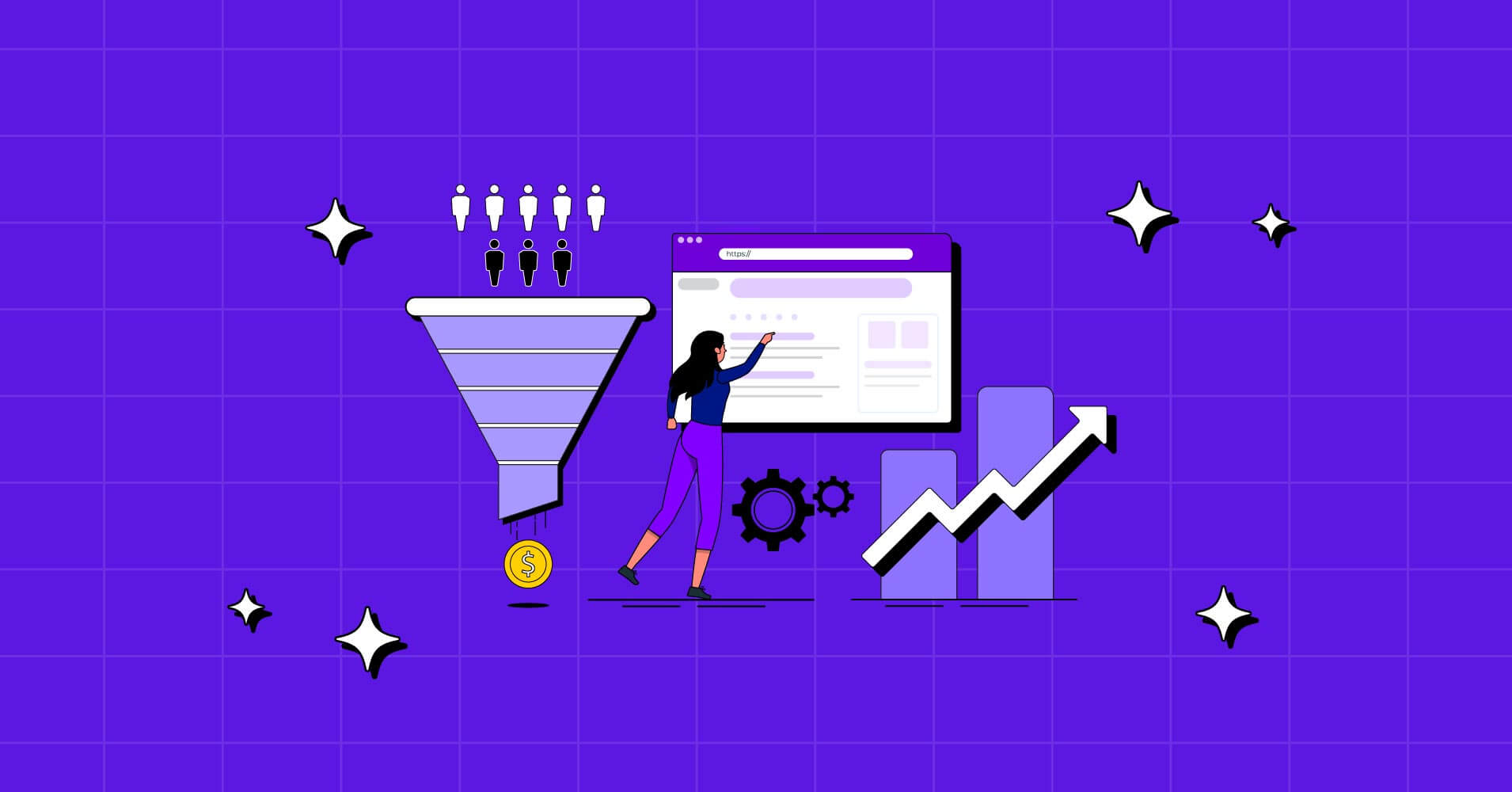
In the modern digital marketplace, attracting potential customers is no longer just about visibility—it’s about converting attention into meaningful interactions. Every visitor, click, and form submission represents a potential business opportunity. This is where lead generation optimization comes into play. By refining your lead generation strategy, businesses can increase qualified leads, shorten the sales cycle, and maximize return on investment.
What is Lead Generation Optimization?
Lead generation is the process of identifying potential customers and capturing their information to nurture them toward purchase decisions. Lead generation optimization takes this further by improving the efficiency and effectiveness of every step in the process.
The goal is simple: deliver the right message to the right audience at the right time, ensuring that marketing efforts convert into tangible business outcomes.
Core Benefits of Optimizing Lead Generation
Optimizing your lead generation approach doesn’t just increase numbers—it transforms your sales funnel into a growth engine. Benefits include:
- Higher Conversion Rates: Targeted campaigns attract leads more likely to buy.
- Cost Efficiency: Resources focus on high-performing channels, lowering the cost per lead.
- Enhanced Lead Quality: Advanced targeting ensures sales teams interact only with serious prospects.
- Scalable Growth: Optimized processes can grow alongside your business, maintaining efficiency.
Key Strategies for Lead Generation Optimization
To achieve maximum results, businesses must focus on multiple aspects of the lead generation journey. Below are essential strategies:
1. Audience Segmentation
Effective lead generation begins with knowing your audience. Segmenting potential customers based on demographics, interests, and behavior allows for more personalized messaging.
Steps to optimize audience targeting:
- Develop detailed buyer personas
- Track user behavior on websites and social media
- Group audiences based on interests, engagement, or purchase intent
2. High-Value Content and Offers
Content is the engine that drives engagement. Providing relevant and actionable content ensures leads stay engaged and move closer to conversion.
Types of effective content:
- eBooks and guides that solve industry problems
- Webinars offering expert insights
- Case studies showing measurable results
- Free trials or promotional offers to encourage interaction
3. Conversion-Focused Landing Pages
Landing pages are pivotal in turning visitors into leads. Optimizing them can dramatically improve form submissions and downloads.
Best practices:
- Clear and compelling headlines
- Strong, visually prominent calls-to-action (CTAs)
- Mobile-responsive and fast-loading design
- Minimal form fields to reduce friction
4. Automation and CRM Integration
Automation streamlines lead capture, follow-ups, and nurturing. When integrated with a CRM system, it ensures consistent engagement and measurable performance.
Automation advantages:
- Instant follow-ups for inquiries
- Personalized email sequences based on behavior
- Lead scoring to prioritize high-value prospects
- Analytics to monitor campaign effectiveness
5. Multi-Channel Lead Generation
Relying on a single platform limits reach. Optimizing across multiple channels ensures you capture leads wherever they engage.
Channels to consider:
- Email marketing campaigns
- Social media advertising (LinkedIn, Facebook, Instagram)
- Search engine marketing and SEO
- Content marketing via blogs and resources
- Partnerships and referral programs
Measuring and Refining Performance
Lead generation optimization is not a one-time task—it requires ongoing monitoring and improvement.
Essential Metrics to Track
-
Cost Per Lead (CPL): Measures efficiency of campaigns.
- Conversion Rate: Indicates the effectiveness of your funnel.
- Lead Quality Score: Helps prioritize sales efforts.
- Customer Acquisition Cost (CAC): Balances marketing spend with revenue.
- ROI: Evaluates overall campaign success.
Continuous Testing and Improvement
Regular testing identifies what resonates with your audience. Use A/B testing to refine landing pages, email campaigns, and ad creatives. Even small adjustments can significantly boost conversions.
Advanced Techniques for Lead Generation Optimization
Businesses aiming to outperform competitors should implement advanced optimization tactics:
1. Predictive Lead Scoring
Leveraging AI and data analytics, predictive scoring identifies leads most likely to convert, enabling sales teams to focus on high-potential prospects.
2. Personalization at Scale
Dynamic content that adapts to user behavior increases engagement. From tailored emails to personalized website experiences, relevance is key to conversion.
3. Retargeting Campaigns
Visitors may leave without converting. Retargeting keeps your brand visible and encourages prospects to return, improving overall lead capture.
4. Conversational Marketing
AI-powered chatbots provide real-time responses, qualify leads instantly, and guide prospects through the buying journey efficiently.
Why Partner with Delemon Technology?
At Delemon Technology, we help businesses harness the full potential of lead generation optimization. Our approach includes:
- Advanced analytics to understand prospect behavior
- Multi-channel campaigns designed for high engagement
- Personalized content and offers tailored to audience segments
- Automation tools integrated with CRM systems for seamless follow-up
By partnering with us, your business can improve lead quality, increase conversion rates, and unlock scalable growth.
Conclusion
Lead generation optimization is more than attracting leads—it’s about turning interest into action. By implementing strategies like audience segmentation, compelling content, multi-channel campaigns, and automation, businesses can improve both quantity and quality of leads.



Leave a Comment
Share your thoughts on this article