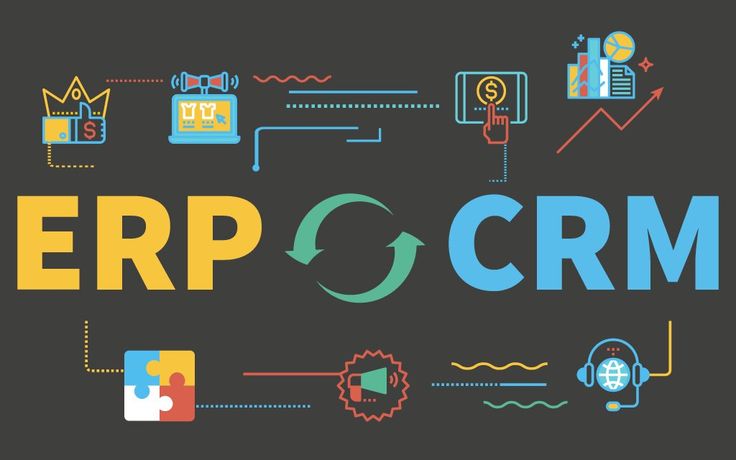
Businesses today need more than separate tools for sales, finance, customer service, human resources and daily operations. As organisations expand, disconnected systems often create unnecessary complexity, inconsistent data and slower communication between departments.
Integrated CRM ERP software solves this challenge by combining customer relationship management and enterprise resource planning functions within a connected business environment. Instead of maintaining isolated applications, companies can manage customer data, sales activity, internal processes, financial workflows, employees, projects and performance information through a unified digital system.
For organisations aiming to improve operational efficiency and strengthen customer management, an integrated CRM ERP platform creates a structured foundation for sustainable business growth.
What Is Integrated CRM ERP Software?
Integrated CRM ERP software is a business management solution that connects Customer Relationship Management (CRM) functions with Enterprise Resource Planning (ERP) capabilities.
CRM focuses mainly on customer-facing activities, including lead generation, sales pipelines, customer interactions, follow-ups and relationship management.
ERP focuses on internal business processes such as finance, accounting, inventory, human resources, procurement, projects and operational reporting.
When these systems are connected, customer information can flow directly into relevant business processes. This reduces the need for employees to repeatedly transfer data between applications and creates greater visibility across the organisation.
A complete platform may bring together:
- Lead and opportunity management
- Customer databases
- Sales pipeline tracking
- Finance and accounting workflows
- Human resource management
- Inventory control
- Procurement
- Project management
- Task management
- Workflow automation
- Document management
- Business reporting
- Management dashboards
This creates a single environment where multiple departments can work with consistent and reliable information.
Why Integrated CRM ERP Software Matters for Modern Businesses
Growing businesses often experience operational challenges because different departments use different software.
Sales teams may work with a CRM platform, accounting departments may rely on finance software, HR teams may use separate employee management tools, and managers may depend on spreadsheets to compare performance.
This fragmented structure can result in:
- Duplicate customer records
- Manual data entry
- Delayed information sharing
- Inconsistent reporting
- Limited operational visibility
- Repeated administrative work
- Communication gaps between departments
Integrated CRM ERP software provides a more organised structure by connecting these functions through one digital ecosystem.
Employees can access the information relevant to their responsibilities while management gains broader visibility into customer activity and internal operations.
Centralised Customer and Business Data
Reliable business decisions depend on accurate data.
When customer, employee, sales and operational information is distributed across different platforms, businesses can struggle to maintain a consistent view of their operations.
An integrated CRM ERP platform creates a centralised business database where relevant information can be stored and managed securely.
This may include:
- Customer profiles
- Contact information
- Sales history
- Lead activity
- Employee details
- Project records
- Financial information
- Supplier data
- Inventory records
- Documents
- Communication history
- Operational reports
Centralised data can improve consistency and reduce the risk of different departments working with outdated information.
It also enables management teams to access more reliable insights without collecting information manually from several departments.
Smarter Lead and Opportunity Management
Effective lead management is essential for businesses that depend on regular enquiries and sales opportunities.
Integrated CRM ERP software enables organisations to manage leads from initial contact through qualification, follow-up, negotiation and conversion.
Sales teams can record important information such as:
- Lead source
- Customer requirements
- Assigned sales representative
- Communication history
- Opportunity stage
- Follow-up activities
- Notes
- Documents
- Conversion status
A structured pipeline helps sales teams identify which opportunities require immediate attention and which customers need further engagement.
Managers can also monitor sales activity across teams and gain better insight into the overall health of the sales pipeline.
A Complete View of Every Customer
Customers interact with businesses through different channels and departments.
One customer may submit an online enquiry, speak with a salesperson, receive a proposal, become a client and later contact customer support.
When each interaction is stored in a separate system, employees may lack complete context.
Integrated CRM ERP software helps create a comprehensive customer record.
Authorised users can access relevant information about previous enquiries, communications, purchases, projects, documents and service history.
This allows teams to deliver more informed and consistent customer experiences.
A complete customer view can also help organisations identify long-term relationships, repeat opportunities and service requirements.
Sales and Operations Working Together
Sales and operations are closely connected, yet many businesses manage them through completely separate systems.
When sales information needs to be manually transferred to operational teams, important details can be delayed or lost.
CRM ERP integration creates a smoother transition between acquiring a customer and delivering the required product or service.
Once an opportunity reaches a defined stage, the system can support actions such as:
- Creating a customer record
- Generating operational tasks
- Assigning project teams
- Initiating approval workflows
- Updating order information
- Triggering documentation
- Notifying relevant departments
This improves coordination and helps ensure that operational teams receive accurate information from the beginning.
Business Process Automation
Automation is one of the strongest advantages of modern integrated business software.
Many routine processes require employees to perform the same actions repeatedly. Examples include assigning leads, sending reminders, updating statuses and requesting approvals.
Integrated CRM ERP software can automate selected workflows according to predefined business rules.
Examples include:
- Automatically assigning leads
- Scheduling follow-up reminders
- Creating tasks after a sales conversion
- Routing approval requests
- Sending internal notifications
- Updating opportunity stages
- Creating project workflows
- Managing recurring administrative processes
Automation can reduce repetitive work while helping businesses maintain more consistent operational procedures.
Employees can spend more time on activities that require judgement, communication and strategic decision-making.
Financial Management and Business Control
Financial visibility is essential for effective business management.
ERP capabilities can connect customer and operational information with financial processes, helping organisations manage transactions and reporting more efficiently.
Depending on the system structure, financial modules may support:
- Customer accounts
- Invoices
- Expenses
- Purchase records
- Financial approvals
- Payment tracking
- Budget monitoring
- Revenue reports
- Financial dashboards
When finance data is connected with sales and operational activity, management teams can develop a more complete understanding of overall business performance.
This improves financial control while reducing reliance on separate spreadsheets and manual reconciliations.
Human Resource Management in an Integrated Platform
Employees are central to almost every operational process.
Integrated CRM ERP software can include HR capabilities that allow businesses to manage workforce information alongside operational activity.
Functions may include:
- Employee profiles
- Attendance management
- Leave requests
- Department structures
- User roles
- Task allocation
- Internal approvals
- Performance records
- HR documentation
Combining employee management with other operational modules allows organisations to gain better visibility into responsibilities, workload and internal processes.
Managers can coordinate teams more effectively because employee information and business activity exist within the same ecosystem.
Project and Task Management
Many organisations operate through projects, service delivery processes or structured tasks.
Integrated CRM ERP software can connect customer information directly with project execution.
After a deal or service request is approved, teams can create and manage associated projects without rebuilding customer information.
Project management functionality can include:
- Project creation
- Task assignment
- Deadlines
- Team responsibilities
- Progress tracking
- Internal notes
- Document sharing
- Activity updates
This creates greater continuity between customer acquisition and service delivery.
Managers can also track project progress and understand how resources are being used across the organisation.
Inventory and Procurement Integration
Businesses that manage products, materials, equipment or supplies require accurate stock information.
ERP inventory functionality can provide greater control over stock levels while connecting inventory with customer and operational requirements.
A connected platform may allow businesses to monitor:
- Available stock
- Inventory movements
- Product records
- Supplier information
- Purchase requirements
- Purchase orders
- Customer orders
- Material usage
Integrating inventory with sales data helps businesses better understand demand and resource requirements.
Procurement teams can make more informed decisions because they have access to relevant operational and sales information.
Real-Time Reporting and Business Intelligence
Management needs clear information to make timely decisions.
Traditional reporting often involves collecting data from several systems, exporting spreadsheets and manually combining information.
Integrated CRM ERP software simplifies this process by bringing business data into one reporting environment.
Dashboards can provide insights into areas such as:
- Lead generation
- Sales conversion
- Customer activity
- Revenue trends
- Employee productivity
- Project progress
- Inventory movements
- Operational efficiency
Real-time reporting can help management identify changes more quickly and respond based on current information.
It also supports performance monitoring across departments without requiring separate reporting processes for each team.
Role-Based Access and Data Security
Business systems contain sensitive customer, employee and financial information.
A well-developed CRM ERP platform should therefore include strong access control mechanisms.
Role-based access allows organisations to determine which users can view, create, edit or approve different types of information.
For example:
- Sales teams can manage assigned opportunities.
- Finance teams can access relevant financial records.
- HR teams can manage employee information.
- Managers can access performance dashboards.
- Administrators can control system permissions.
This approach helps organisations maintain data confidentiality while allowing employees to access the information they need to perform their responsibilities.
Custom CRM ERP Development
Every business operates differently.
A standard software package may include many features, but it may not match specific business processes, approval structures or industry requirements.
Custom Integrated CRM ERP software allows organisations to develop functionality around their existing operations.
A customised platform can be designed according to:
- Business workflows
- Department structures
- Sales processes
- User roles
- Approval hierarchies
- Customer management requirements
- Operational processes
- Reporting needs
- Industry-specific requirements
Custom development also allows businesses to introduce specialised modules that may not be available within standard platforms.
The result is a system that supports actual operational needs rather than forcing employees to change efficient processes simply to match generic software.
API Integration and Connected Business Applications
Most organisations use several digital platforms.
A CRM ERP system may need to communicate with websites, mobile applications, marketing platforms and external business tools.
API integration allows these applications to exchange information securely.
Integrated CRM ERP software may connect with:
- Business websites
- Customer portals
- Mobile applications
- Email platforms
- Marketing systems
- Communication tools
- Payment solutions
- Third-party business applications
These integrations help organisations create a more connected digital ecosystem while reducing unnecessary manual data transfers.
Cloud-Based CRM ERP Software
Modern businesses increasingly require access to information from multiple locations.
Cloud-based CRM ERP software allows authorised users to access relevant business information through secure online environments.
This can support:
- Remote teams
- Multiple office locations
- Mobile employees
- Sales representatives
- Managers working across different locations
Cloud architecture can also simplify collaboration because employees access the same centralised information rather than maintaining local versions of files and databases.
A scalable cloud environment can expand as the organisation adds more employees, departments or business functions.
Integrated CRM ERP Software for Business Growth
Growth often increases operational complexity.
More customers create more data. More employees require better coordination. More transactions increase financial workloads. More projects create additional reporting requirements.
Without an organised system, these changes can become difficult to manage.
Integrated CRM ERP software provides a scalable digital foundation that can support business expansion.
Instead of adding another independent tool whenever a new requirement appears, businesses can extend their existing system with additional modules, workflows and integrations.
This helps maintain consistent processes as the organisation grows.
Key Features of an Effective Integrated CRM ERP Platform
A strong platform should combine usability, flexibility and operational control.
Important features can include:
- Centralised CRM
- Lead management
- Sales pipeline tracking
- Customer history
- Finance management
- Employee management
- Project management
- Task tracking
- Inventory management
- Procurement workflows
- Workflow automation
- Document management
- Reporting dashboards
- Role-based permissions
- API connectivity
- Cloud accessibility
Businesses should select or develop functionality based on their actual operational objectives rather than focusing purely on the number of available features.
How Integrated CRM ERP Software Supports Digital Transformation
Digital transformation requires more than converting manual records into digital files.
Businesses need connected systems that improve how information moves between teams.
Integrated CRM ERP software supports digital transformation by bringing customer management, internal operations and business intelligence into one environment.
This can help organisations:
- Standardise business processes
- Reduce manual administration
- Improve data quality
- Enhance internal collaboration
- Create measurable workflows
- Improve operational visibility
- Support scalable growth
A connected platform gives businesses greater control over both customer-facing and internal activities.
Integrated CRM ERP Software Development with Delemon Technology
Implementing an integrated business platform requires careful planning, technical expertise and a clear understanding of operational processes.
Delemon Technology supports businesses seeking custom digital solutions designed around their organisational needs.
A CRM ERP development strategy can begin by analysing current workflows, identifying disconnected processes and determining which areas would benefit from automation or integration.
Solutions can then be developed to connect sales, customer management, operations, employees, projects, reporting and other essential business functions.
With a customised approach, organisations can build a platform that supports current requirements while remaining flexible enough for future growth.
Conclusion
Businesses increasingly need connected digital systems to manage customers, employees, operations and information efficiently.
Integrated CRM ERP software combines customer relationship management and enterprise resource planning within a unified environment, creating better coordination between sales and internal business functions.
From lead management and customer records to financial processes, HR, projects, inventory and reporting, an integrated platform can provide stronger operational control while reducing unnecessary manual work.
For businesses looking to replace fragmented applications with a scalable and connected management system, Delemon Technology can help develop Integrated CRM ERP software tailored to specific workflows and organisational requirements.




Leave a Comment
Share your thoughts on this article