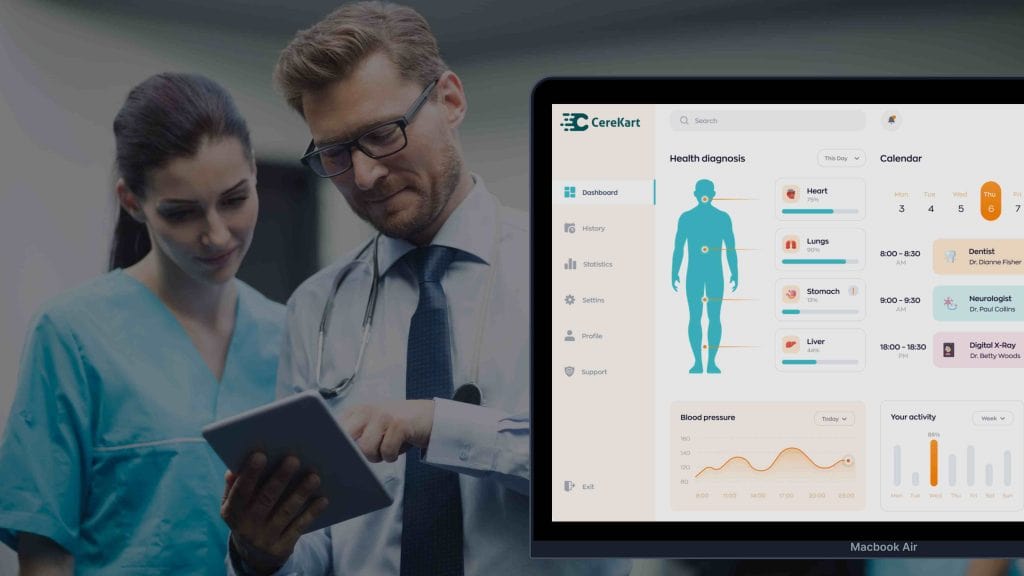
In today’s rapidly evolving healthcare industry, the need for efficient management of clinical and administrative functions has never been greater. Healthcare management software (HMS) plays a critical role in enhancing the quality of care, optimizing operational processes, and ensuring compliance with regulatory standards. As healthcare systems worldwide continue to expand, these software solutions are becoming indispensable tools for improving patient outcomes and streamlining operations.
At Delemon Technology, we understand the unique challenges faced by healthcare providers. Our advanced healthcare management software is designed to address the full spectrum of healthcare management needs, from patient scheduling and billing to electronic health records (EHR) and data analytics. Let’s take a deeper dive into the benefits and features that make healthcare management software an essential part of modern healthcare institutions.
What is Healthcare Management Software?
Healthcare management software refers to a suite of digital tools designed to assist healthcare organizations in managing their daily operations more effectively. It integrates clinical, administrative, and financial functions into a single platform, allowing for seamless information flow across various departments. The primary objective of this software is to optimize workflows, enhance communication, and improve the quality of care provided to patients.
These software solutions include functionalities like patient registration, appointment scheduling, medical records management, billing, reporting, and regulatory compliance. Furthermore, healthcare management software can also facilitate better decision-making by offering data-driven insights into operational performance, patient health outcomes, and resource utilization.
Key Features of Healthcare Management Software
1. Electronic Health Records (EHR) Management
Healthcare management software offers a comprehensive solution for managing patient health records in a digital format. With EHR integration, healthcare professionals can access accurate and up-to-date patient information, including medical history, diagnosis, treatments, medications, and test results. This feature helps eliminate the inefficiencies associated with paper-based records, reducing errors and improving patient care.
2. Appointment Scheduling
Scheduling patient appointments efficiently is crucial for any healthcare facility. Healthcare management software provides an intuitive scheduling tool that allows patients to book appointments, receive reminders, and reschedule when necessary. It enables healthcare staff to optimize physician schedules, reducing wait times and increasing patient satisfaction.
3. Billing and Payment Processing
Accurate billing and timely payments are vital for the financial health of any healthcare organization. Healthcare management software automates the billing process, ensuring that all charges are accurately recorded and processed. It also supports various payment methods, streamlining patient transactions and improving revenue cycle management.
4. Inventory and Supply Chain Management
Managing medical supplies and equipment is a critical component of healthcare operations. Healthcare management software helps track inventory, manage stock levels, and automate reordering processes to ensure that healthcare providers always have the necessary resources on hand. This feature reduces waste, prevents stockouts, and optimizes the supply chain.
5. Patient Portal
A patient portal allows patients to access their medical records, schedule appointments, communicate with healthcare providers, and receive lab results online. By providing a user-friendly interface, a patient portal enhances patient engagement and facilitates better communication between patients and healthcare professionals.
6. Clinical Decision Support
Healthcare management software integrates clinical decision support systems (CDSS) that assist healthcare providers in making informed decisions based on real-time patient data. CDSS tools analyze patient information, clinical guidelines, and medical literature to recommend appropriate diagnostic tests, treatments, and medications.
7. Telemedicine Integration
With the rise of telehealth services, integrating telemedicine features into healthcare management software has become increasingly important. This feature enables healthcare providers to conduct virtual consultations with patients, reducing the need for in-person visits and improving access to care, especially in remote areas.
8. Data Analytics and Reporting
Data-driven insights are essential for improving operational efficiency and patient outcomes. Healthcare management software includes advanced analytics tools that generate reports on key performance indicators (KPIs), such as patient satisfaction, staff productivity, and financial health. By leveraging these insights, healthcare administrators can make informed decisions to drive continuous improvement.
9. Regulatory Compliance
Healthcare providers are subject to a variety of regulations, including HIPAA in the United States and GDPR in Europe. Healthcare management software helps ensure compliance with these regulations by implementing robust security measures, protecting patient data, and maintaining audit trails. It also helps healthcare organizations stay up to date with changing laws and policies.
Benefits of Healthcare Management Software
1. Improved Patient Care
By automating various healthcare processes, healthcare management software allows healthcare providers to focus more on patient care rather than administrative tasks. With easy access to patient records, test results, and treatment plans, healthcare professionals can make more informed decisions, leading to better patient outcomes.
2. Increased Operational Efficiency
Healthcare management software eliminates redundancies, automates routine tasks, and streamlines communication across departments. As a result, healthcare organizations experience improved workflow efficiency, reduced errors, and faster turnaround times. The reduction in administrative burdens also allows healthcare staff to spend more time on patient care.
3. Enhanced Data Security
With stringent data privacy regulations governing the healthcare industry, data security is a top priority. Healthcare management software employs encryption, access controls, and secure cloud storage to safeguard sensitive patient data. This ensures that patient information is protected from unauthorized access, reducing the risk of data breaches.
4. Cost Savings
Implementing healthcare management software can lead to significant cost savings for healthcare organizations. By reducing paper-based processes, minimizing errors, and optimizing resource utilization, healthcare management software helps reduce operational costs. Additionally, the automation of billing and payment processing ensures timely reimbursement, further improving financial efficiency.
5. Better Decision-Making
Healthcare management software provides actionable insights through detailed reports and data analytics. With access to real-time data on patient health, hospital operations, and financial performance, healthcare administrators can make data-driven decisions that improve patient care, enhance efficiency, and boost profitability.
Challenges in Implementing Healthcare Management Software
While healthcare management software offers numerous benefits, implementing it can come with its challenges. Healthcare organizations may face resistance to change from staff, high upfront costs, and data integration issues. It’s essential for healthcare providers to carefully evaluate different software options, ensure proper training for staff, and plan for a smooth implementation process to maximize the benefits of these systems.
The Future of Healthcare Management Software
As technology continues to evolve, healthcare management software will play an even more prominent role in shaping the future of healthcare delivery. Artificial intelligence (AI), machine learning (ML), and big data analytics are expected to drive significant advancements in predictive healthcare, patient engagement, and operational efficiency. The integration of wearable devices, remote monitoring, and telemedicine will further enhance the ability of healthcare management software to provide comprehensive, patient-centered care.
Conclusion
Healthcare management software is an indispensable tool for modern healthcare providers. By improving patient care, enhancing operational efficiency, ensuring regulatory compliance, and providing valuable data insights, healthcare management software helps healthcare organizations stay competitive in an increasingly digital world. As the healthcare industry continues to evolve, the adoption of advanced healthcare management solutions will be crucial for organizations aiming to provide high-quality care while optimizing resources and costs.





Leave a Comment
Share your thoughts on this article