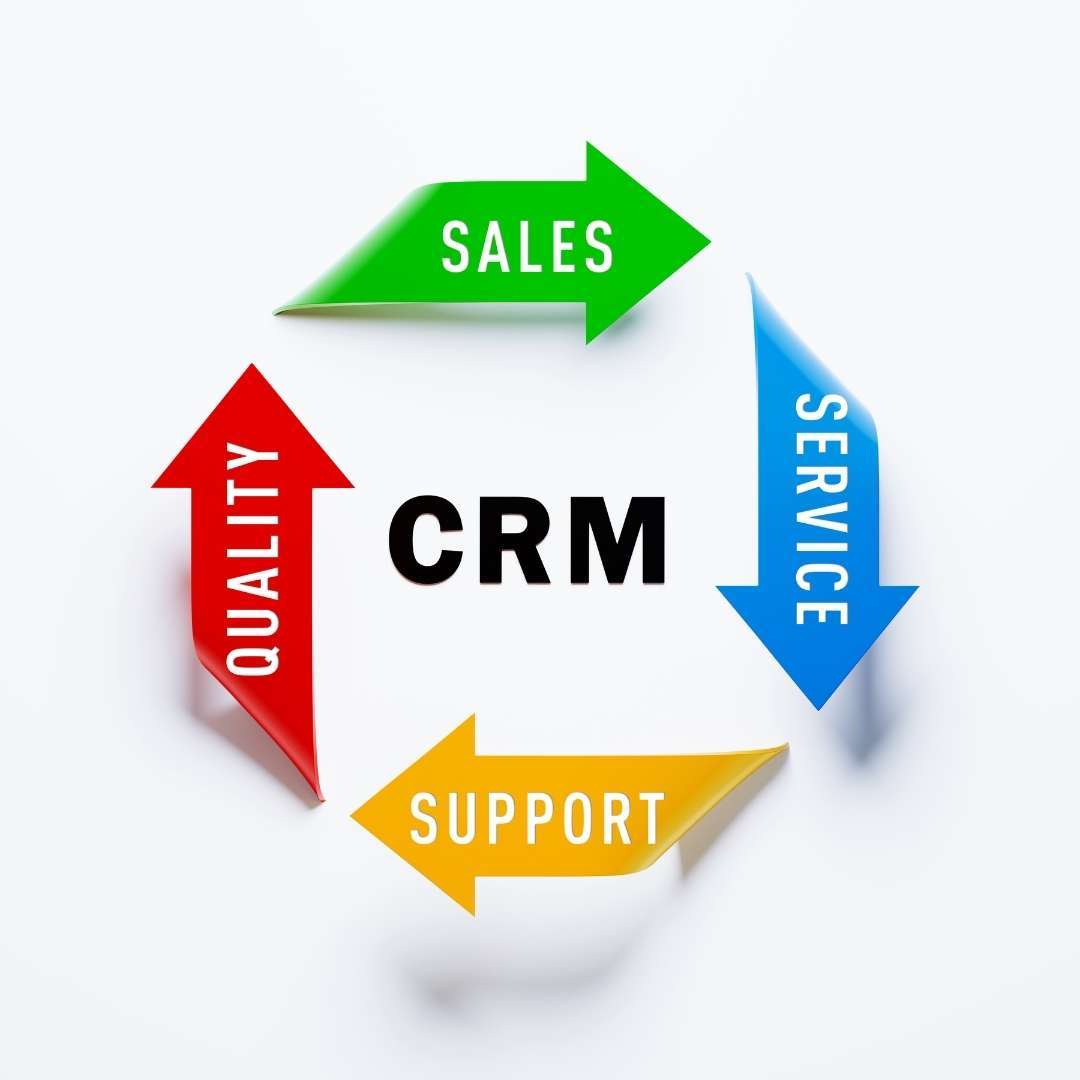
In today’s competitive and fast-paced business landscape, selecting the right CRM software Dubai companies can depend on has become a key strategic choice. It influences how organizations manage customer relationships, boost sales performance, handle leads efficiently, enhance service quality, and support sustainable growth. Dubai, as a leading global business hub, features vibrant sectors including real estate, healthcare, retail, logistics, hospitality, finance, education, and professional services. In such an environment, relying on spreadsheets, scattered emails, WhatsApp chats, and manual follow-ups often leads to missed opportunities and inefficiencies.
A modern customer relationship management Dubai system centralizes customer data, automates repetitive tasks, tracks interactions across channels, and fosters better team collaboration. This enables companies to deliver more consistent and personalized customer experiences. For businesses operating in Dubai — where customer expectations are high, competition is intense, and decision-making cycles can be rapid — a well-implemented CRM provides clarity, control, and a competitive edge.
What Is a CRM System?
A Customer Relationship Management (CRM) system is a software platform designed to help businesses organize and manage interactions with current and potential customers, leads, clients, and business partners. It serves as a single source of truth by consolidating all customer-related information in one secure, accessible location. Sales, marketing, customer support, and management teams can then retrieve accurate data quickly, without switching between multiple tools.
Instead of customer details being fragmented across email inboxes, WhatsApp conversations, Excel files, physical notebooks, or different team members’ devices, a CRM brings everything together. This typically includes contact information, interaction history, sales stages, follow-up reminders, call notes, attached documents, quotations, customer preferences, service requests, and purchase patterns.
In the context of Dubai businesses, this centralization is particularly valuable. Many companies manage high volumes of enquiries from diverse, multilingual clients (English, Arabic, Hindi, Urdu, and others), across multiple channels such as websites, social media, Google Ads, referrals, phone calls, and offline events. A reliable sales CRM Dubai solution helps reduce lead leakage, shorten response times, and maintain professional continuity even when team members change.
Why Dubai Businesses Are Adopting CRM Systems
Dubai has solidified its position as one of the Middle East’s strongest economic centers, attracting international companies and demanding customers who expect fast, personalized service. Businesses here face challenges such as managing leads from varied digital and traditional sources, operating in a multicultural environment, and navigating rapid market changes.
One of the primary drivers for adopting CRM solutions UAE is effective lead management. Leads often arrive through website forms, paid advertisements, social media campaigns, WhatsApp Business, referrals, exhibitions, and direct calls. Without a structured system, these enquiries can be lost, delayed, or followed up inconsistently, resulting in lost revenue.
A good CRM captures every lead automatically, assigns it to the right team member, tracks its progress through defined stages (new, contacted, qualified, proposal sent, negotiation, won, or lost), and provides real-time visibility into the sales pipeline. Managers gain insights into which leads are hot, which deals are at risk of delay, expected revenue forecasts, and individual sales executive performance. This level of transparency improves accountability and supports data-driven coaching.
Beyond sales, customer relationship management Dubai implementations also enhance service quality by maintaining complete interaction histories, making it easier to deliver consistent experiences even when multiple departments are involved.
Key Features of an Effective CRM System
A professional CRM should go beyond simple contact storage. Leading solutions in the UAE market typically offer the following core capabilities:
- Lead Management: Automatic capture from multiple sources, lead scoring, categorization, and assignment rules. This helps sales teams prioritize high-potential opportunities and respond faster.
- Comprehensive Contact and Customer Database: Detailed profiles including communication history, preferences, past purchases, and documents. Teams can access a 360-degree view, avoiding repetitive questions and enabling more relevant conversations.
- Sales Pipeline Tracking: Visual boards or dashboards showing deal stages, probability of closing, total pipeline value, and potential bottlenecks. This is especially useful in industries with longer sales cycles, such as real estate, IT services, and B2B consulting.
- Task and Follow-Up Automation: Automatic reminders for calls, emails, or meetings. For example, if a follow-up is due in three days, the system can notify the responsible person and even send gentle reminders to the customer.
- Communication Tracking: Logging of calls, emails, WhatsApp messages, meetings, and notes. This creates an audit trail and ensures continuity when team members collaborate on the same client.
- Reports and Analytics: Real-time dashboards covering lead source performance, conversion rates, team productivity, revenue forecasts, and campaign ROI. These insights help businesses identify what works and where improvements are needed.
Additional modern features gaining traction in 2026 include WhatsApp Business integration, AI-powered lead scoring, basic chatbots, and mobile apps for on-the-go access.
Benefits of Implementing a CRM in Dubai
When properly selected and adopted, a CRM can deliver measurable improvements:
- Enhanced Customer Experience: Customers receive timely, informed responses and feel understood, which builds trust and encourages loyalty and referrals.
- Improved Sales Performance: Structured processes help teams focus on high-value activities, reduce missed follow-ups, and increase conversion rates.
- Stronger Team Collaboration: All departments work from the same up-to-date information, reducing internal miscommunication and knowledge loss when employees leave.
- Better Marketing Insights: Tracking which channels (Google Ads, SEO, social media, email) generate quality leads allows more intelligent budget allocation and personalized campaigns.
- Higher Productivity via Automation: Routine tasks such as lead assignment, status updates, and basic reporting are automated, freeing staff to focus on relationship-building and strategic work.
Industry observations suggest that well-implemented CRMs can contribute to higher lead conversion, better customer retention, and improved sales productivity, though actual results vary based on execution.
Industries in Dubai That Benefit Most
Almost any customer-facing business can gain value, but certain sectors see particularly strong returns:
- Real Estate: Managing property enquiries, buyer preferences, site visit scheduling, agent performance, and deal progression.
- Healthcare: Tracking patient enquiries, appointment requests, follow-up communications, and service history while maintaining privacy compliance.
- Retail and Hospitality: Understanding buying patterns, loyalty programs, and personalized offers.
- Education: Handling student/admission enquiries, counsellor follow-ups, and course interest pipelines.
- IT, Consulting, and Professional Services: Proposal tracking, client relationship management, renewals, and project-related communications.
- Logistics and Finance: Lead nurturing, compliance-related documentation, and service request handling.
Custom CRM vs Ready-Made CRM Solutions
Businesses in the UAE often face this important choice.
Ready-made platforms (examples in 2026 include Salesforce, Zoho CRM, Microsoft Dynamics 365, HubSpot, and locally relevant options like CorporateStack) offer quick deployment, regular updates, proven reliability, and lower initial setup costs. They are suitable for companies with relatively standard processes or smaller teams. Many include strong mobile access and pre-built integrations.
Custom-developed CRM systems are built specifically around a company’s unique workflows, reporting needs, industry requirements, or complex multi-branch operations. They provide higher flexibility and can include tailored dashboards, role-based permissions, and specific automation rules. However, custom solutions generally involve higher upfront investment (often ranging from AED 100,000 to several hundred thousand depending on scope), longer development timelines (several months), and the need for ongoing maintenance and updates by the development partner.
Many Dubai companies start with a configured ready-made solution and add custom modules as they grow. The best approach depends on budget, process complexity, scalability plans, and internal IT capabilities. A thorough needs assessment and demo process is recommended before deciding.
How CRM Contributes to Digital Transformation
CRM is frequently one of the foundational steps in a broader digital transformation journey. It connects customer data with other business systems such as websites, accounting software, ERP platforms, marketing automation tools, and telephony systems. This integration reduces manual data entry, minimizes errors, and creates a more unified operational view.
For companies planning to scale in the UAE, a CRM helps move away from fragmented processes toward a more data-driven, efficient model.
Important Factors to Consider When Choosing a CRM
Before investing, businesses should evaluate:
- Expected number of users and involved departments
- Main lead sources and complexity of the sales process
- Required automation level and reporting needs
- Integration capabilities with existing tools (website, WhatsApp, accounting, etc.)
- Data security, compliance with UAE regulations, and access controls
- Mobile accessibility for field teams
- Scalability for future growth
- Total cost of ownership (licenses, implementation, training, maintenance)
- Ease of use to encourage high team adoption
User-friendly design and strong vendor support are critical — even the most powerful system delivers limited value if employees resist using it.
The Future of CRM Systems in Dubai
The CRM landscape in the UAE is evolving rapidly, with increasing adoption of artificial intelligence for predictive lead scoring, automated customer segmentation, smart reminders, and personalized communication. Integration with WhatsApp, chatbots, and voice systems is becoming standard. Cloud-based solutions continue to dominate due to flexibility and lower infrastructure costs.
Businesses that invest thoughtfully in CRM technology, combined with proper change management, are better positioned to build stronger customer relationships, improve efficiency, and adapt to market shifts.
Conclusion
A thoughtfully chosen CRM system Dubai businesses implement can significantly improve how they manage customer relationships, organize leads, increase sales productivity, and make informed operational decisions. In a competitive market like Dubai, where losing enquiries or delaying responses can be costly, having structured tools and processes matters.
Success depends not just on the software itself, but on clear planning, team training, data quality, and ongoing optimization. Businesses are advised to evaluate their current workflows, set realistic objectives, and explore a range of solutions — from established ready-made platforms to tailored custom developments — before making a commitment.
If your company is considering a CRM upgrade or first-time implementation, start with an internal assessment and schedule demonstrations with multiple providers. The right system, paired with disciplined adoption, can become a valuable asset for long-term growth and customer satisfaction in the UAE market.





Leave a Comment
Share your thoughts on this article