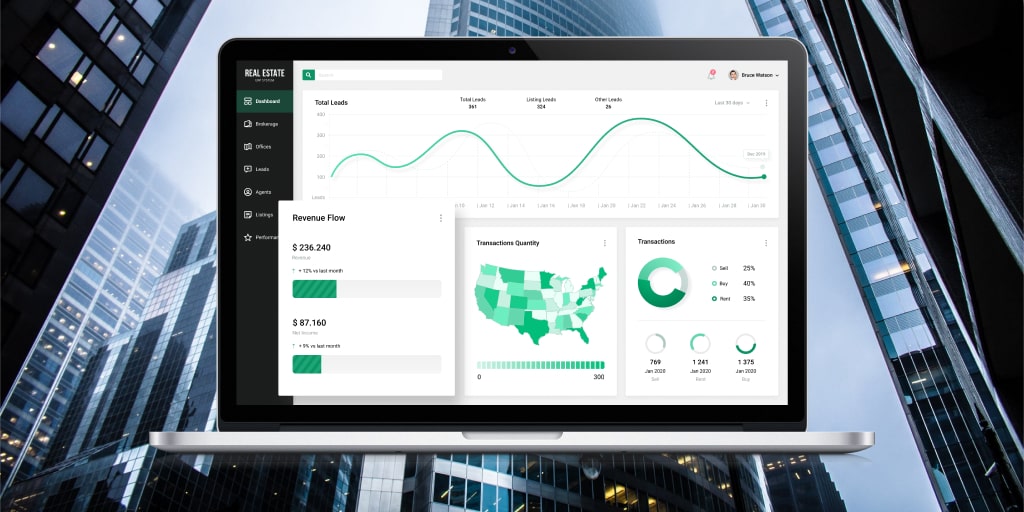
In today’s fast-paced real estate market, managing operations effectively is crucial for staying ahead of the competition. Whether you are a property developer, a real estate agent, or a property management company, integrating an ERP (Enterprise Resource Planning) system into your business is essential for streamlining processes, improving efficiency, and providing superior service to your clients.
In this blog, we will explore the best real estate ERP software solutions available in the market, how they can benefit your business, and why choosing the right ERP system is crucial for the growth and success of your real estate operations.
What is Real Estate ERP Software?
Real Estate ERP software is a comprehensive business management solution designed to manage the various aspects of the real estate industry, including property management, sales and leasing, customer relationship management (CRM), financial accounting, and much more. By integrating various functions into one platform, ERP systems help organizations streamline operations, improve decision-making, and enhance client service.
Key Features to Look for in the Best Real Estate ERP Software
When selecting the best ERP software for real estate, you should consider the following key features:
- Property Management
- The ERP software should allow businesses to manage property listings, track tenant details, handle lease agreements, and monitor property maintenance requests. A robust property management module ensures smooth operations for property managers and owners.
- Financial Management
- Real estate transactions are complex and require detailed financial oversight. The best ERP systems come with integrated accounting tools that allow businesses to handle invoicing, payments, rent collections, and financial reporting all within one system.
- Customer Relationship Management (CRM)
- Building and maintaining relationships with clients is key to success in real estate. An ERP with CRM functionality can help businesses track leads, manage communications, and ensure personalized service for each client.
- Document Management
- Real estate involves extensive documentation such as contracts, agreements, and legal documents. An efficient ERP system will provide a centralized platform for managing, storing, and sharing these documents securely.
- Sales and Lease Tracking
- Real estate ERP software should provide tools to manage sales and leasing processes, including tracking property listings, managing prospective buyers and tenants, and overseeing the final transaction stages.
- Reporting and Analytics
- Real-time reporting and analytics are crucial for decision-making. The best ERP systems offer built-in reporting features, such as performance dashboards and financial reports, that allow businesses to track key metrics and performance indicators.
- Mobile Accessibility
- With the increasing reliance on mobile devices, it's essential for ERP systems to offer mobile applications or responsive designs that allow users to manage real estate operations from anywhere at any time.
Top Benefits of Using Real Estate ERP Software
- Improved Efficiency
- One of the biggest advantages of ERP systems is the automation of routine tasks. By centralizing operations such as accounting, sales, customer management, and reporting, businesses can reduce manual effort and improve operational efficiency.
- Better Decision-Making
- ERP software provides real-time data, which is crucial for making informed decisions. Managers can access detailed reports, track business performance, and analyze trends, enabling them to make data-driven decisions.
- Streamlined Communication
- Communication within a real estate organization can be complex, especially if it involves various teams handling different aspects of the business. An ERP system helps streamline communication by offering centralized access to information for all employees.
- Cost Savings
- By automating processes and improving operational efficiency, real estate businesses can significantly reduce operational costs. Moreover, with integrated financial management, businesses can improve cash flow management and minimize errors that lead to financial losses.
- Enhanced Customer Service
- Real estate ERP systems help businesses provide superior service to clients by offering a centralized database of client information, maintaining communication logs, and ensuring that customers’ needs are tracked and addressed promptly.
How to Choose the Best Real Estate ERP Software for Your Business
Selecting the right ERP software for your real estate business can be challenging due to the wide variety of options available. However, by considering the following factors, you can make an informed decision:
- Scalability
- As your business grows, your ERP system should be able to scale with it. Choose a software solution that can handle an increasing volume of transactions, properties, and users without compromising performance.
- Customization Options
- Every real estate business is unique. Look for an ERP system that offers customization options, allowing you to tailor the software to meet your specific business needs.
- Integration with Other Tools
- Your ERP software should seamlessly integrate with other tools and platforms you already use, such as marketing automation tools, email systems, and third-party accounting solutions.
- User-Friendliness
- Choose an ERP system that is easy to use and has an intuitive interface. A complicated system can lead to low adoption rates among your employees, which can result in operational inefficiencies.
- Support and Training
- Ensure the ERP provider offers robust customer support, training materials, and resources to help your team fully leverage the software’s capabilities.
- Cloud-Based vs. On-Premise Solutions
- Cloud-based ERP systems offer greater flexibility and accessibility, whereas on-premise solutions may provide greater control over data. Evaluate which option suits your business model and IT infrastructure.
Leading Real Estate ERP Software Solutions
Here are some of the most popular real estate ERP software solutions available:
- SAP Real Estate Management
- SAP offers a comprehensive ERP solution for real estate companies, with robust features for property management, leasing, sales, and financials. It also integrates with other SAP products for complete enterprise management.
- Yardi Voyager
- Yardi Voyager is a cloud-based ERP system designed specifically for real estate property management. It provides modules for property management, accounting, marketing, and reporting, making it a popular choice for real estate companies.
- MRI Software
- MRI Software is known for its flexible and scalable ERP solutions that cater to property managers, owners, and investors. It offers a wide range of features, including investment management, leasing, and financial accounting.
- RealPage
- RealPage is another powerful ERP solution for the real estate industry, offering comprehensive features for property management, financial accounting, and customer relationship management. It also provides cloud-based solutions for greater mobility.
- Buildium
- Buildium is a popular ERP solution for property management companies, offering features for tenant management, leasing, accounting, and financial reporting. It is particularly suitable for small to mid-sized property management companies.
Conclusion
In the competitive real estate market, adopting the best real estate ERP software is essential for optimizing operations, improving decision-making, and delivering exceptional service to clients. By selecting an ERP system with the right features and capabilities, real estate businesses can streamline processes, enhance collaboration, and stay ahead of the competition. Delemon Technology provides innovative ERP solutions tailored specifically for the real estate industry, ensuring businesses can operate efficiently while maximizing growth potential.





Leave a Comment
Share your thoughts on this article