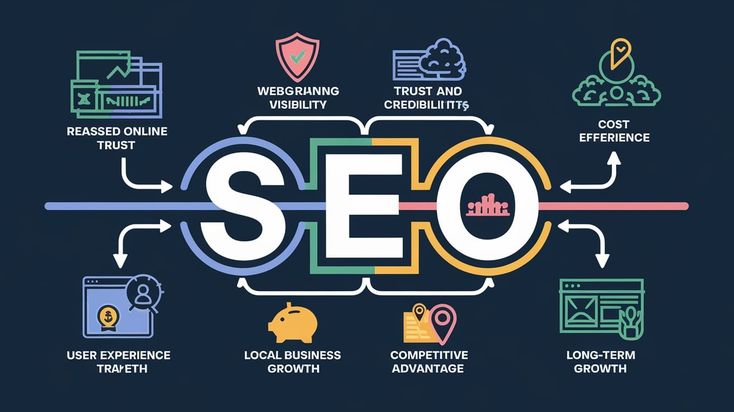
The way people discover, compare and enquire about property has changed. Their journey often begins with an online search for a community, developer, property type or investment opportunity. A company may have an impressive portfolio, but competitors can capture demand first if its website is not visible.
Professional real estate website SEO services help agencies, brokers and developers transform their websites into discoverable, trustworthy and conversion-focused digital platforms. The objective is not simply to attract more visitors. Effective SEO connects a business with buyers, sellers, tenants and investors who are actively searching for relevant services. It combines technical optimisation, strategic content, local visibility, property-listing improvements and performance measurement to create a sustainable source of qualified enquiries.
Why Real Estate Websites Need a Specialised SEO Strategy
Real estate search behaviour is unusually detailed and location driven. A user may search by city, neighbourhood, developer, property type, bedroom configuration, completion status or investment objective. Someone researching waterfront apartments has a different intention from a person searching for a ready villa or an off-plan investment. A generic SEO strategy cannot fully address these varied journeys.
Specialised real estate SEO creates a clear connection between each search intent and the most relevant page. Property listings serve transactional searches, community guides answer location-based questions, market reports support investors and service pages reach sellers or landlords.
It also addresses expired listings, repeated descriptions, complex filters and changing inventory. Poor management can generate duplicate URLs, waste crawl resources and prevent valuable pages from being indexed.
Establishing a Strong Technical SEO Foundation
Every successful campaign begins with a detailed website audit. The audit assesses crawlability, indexation, site architecture, mobile usability, security, broken links, redirects and page performance. It also identifies whether important property, project and community pages are accessible to search engines.
Search filters for location, price, bedrooms and property type can create thousands of URL combinations. Some are useful; others provide little unique value. Canonical tags, indexing directives and filter management help search engines focus on valuable pages. XML sitemaps should contain indexable URLs, while expired listings require a planned redirect or archive process.
Large galleries, video tours and interactive maps can slow property pages. Image compression, modern formats, caching and efficient code improve performance. Responsive design ensures listings, forms and navigation work smoothly across mobile devices.
Building a Keyword and Website Architecture Around Search Intent
Keyword research for real estate must go beyond broad phrases. The strongest strategy identifies commercial, transactional, informational and local searches across the customer journey. High-intent terms may relate to properties for sale, specific developments or professional services, while informational queries may concern ownership rules, neighbourhood lifestyles or investment returns.
These keywords should be mapped to a logical architecture. The home page introduces the brand, service pages explain expertise, category pages organise inventory and listings present opportunities. Community, developer and market-guide pages build deeper relevance. Internal links help users move from research to enquiry.
Keyword mapping prevents pages from competing for the same query. Each page needs a distinct purpose, primary topic and supporting semantic terms. Titles, headings and content should communicate that purpose naturally. Complete information is more useful than mechanical keyword repetition.
Creating Authoritative Real Estate Content
Content is central to modern real estate website SEO services, but volume alone does not create authority. Searchers need accurate, original and practical information that helps them make decisions. Strong content may include detailed community guides, buying and selling resources, developer profiles, investment insights, market reports and comparisons between property types.
Property pages need more than generic promotion. Useful attributes include location, layout, area, amenities, completion status, landmarks and lifestyle benefits. Off-plan pages may explain the developer, concept, construction stage and handover. Unique descriptions reduce duplication and clarify each opportunity.
Author profiles, genuine case studies, client testimonials, company credentials and transparent service explanations demonstrate experience. Regularly reviewing content keeps facts accurate and avoids presenting unavailable properties or outdated market claims. A knowledgeable website earns attention by being dependable, not merely persuasive.
Connecting SEO with Real Estate Landing Pages
Organic visibility generates its greatest value when visitors reach a page designed to convert their interest into action. This is where SEO, user experience and real estate landing page design must work together. A strong landing page immediately explains the offer, supports it with meaningful information and presents a clear next step.
Professional property landing page development considers speed, mobile responsiveness, content hierarchy, tracking and form usability. Pages should include relevant details, visual assets, trust signals and clear calls to action. Forms should request only information needed to qualify the enquiry, while phone, WhatsApp and viewing options make communication convenient.
The same principles support high-converting real estate landing pages across organic and paid channels. However, the message must reflect the visitor’s source and intention. SEO pages often need comprehensive information because users may be researching broadly. In contrast, PPC landing pages for real estate should closely match the advertisement, campaign location and promised property opportunity. Message consistency can reduce confusion and strengthen conversion potential.
Well-planned real estate lead generation landing pages integrate with analytics and customer relationship management systems. Forms, calls, WhatsApp clicks, downloads and viewing requests should be tracked. This connects traffic data with lead quality and business value.
Winning Location-Based Property Searches
Location is one of the strongest entities in real estate search. Local SEO helps agencies appear for queries connected to cities, neighbourhoods and nearby services. An optimised Google Business Profile, consistent company information, authentic reviews and accurate service areas support this visibility.
Location pages should not be thin copies with only the place name changed. Each needs original information about the area, property types, lifestyle, infrastructure, transport and local market. Relevant listings and guides create a useful geographic content cluster.
For businesses serving Dubai and the wider UAE, multilingual SEO can expand reach among regional and international audiences. English and Arabic pages should be professionally localised rather than automatically duplicated. Correct language targeting and consistent page relationships help search engines serve the suitable version to each audience.
Strengthening Authority Beyond the Website
Competitive real estate markets require more than on-page optimisation. High-quality backlinks, relevant business citations, digital public relations and credible brand mentions help establish authority. Links should come from legitimate publications, property resources, local organisations and industry partners rather than low-quality networks created only to manipulate rankings.
Original research creates outreach opportunities. Transaction analysis, neighbourhood demand reports, buyer surveys and rental insights can earn references from journalists and industry websites while positioning the company as a knowledgeable market voice.
Online reputation contributes to the same trust ecosystem. Consistent reviews, accurate directory profiles and professional responses to customer feedback reinforce credibility. Strong organic performance becomes more sustainable when the company is recognised as a genuine entity across multiple trustworthy sources.
Measuring Rankings, Leads and Commercial Results
SEO should be measured through business outcomes, not rankings alone. Google Search Console can reveal impressions, clicks, queries, page positions and indexing problems. Analytics platforms show how organic visitors interact with the website and whether they complete important actions.
The most useful reporting combines technical health, keyword visibility, organic traffic and conversions. Calls, forms, WhatsApp conversations, brochure downloads and viewing bookings can be analysed by landing page and traffic source. Connecting this data with a CRM provides deeper insight into qualified leads, appointments and eventual transactions.
Pages attracting impressions but few clicks may need clearer titles. Pages generating traffic but limited enquiries may require stronger offers, better property information or simpler forms. Content gaps can be prioritised according to real demand, while successful topics can be expanded into supporting clusters.
Preparing Real Estate SEO for an AI-Driven Future
Future-ready property websites must organise information so that both people and search systems can understand it. Clear entity relationships between properties, developers, locations, amenities and services will become increasingly valuable.
Structured data can clarify the organisation, office locations, breadcrumbs, articles and videos when it reflects visible content. Quality photography, searchable floor plans, transcripts and descriptive images also improve accessibility and understanding.
AI can support research, analysis and content workflows, but it should not replace genuine market expertise. Buyers making major financial decisions need accurate information, original insight and accountable advice. The strongest websites will combine efficient technology with experienced human review, distinctive brand knowledge and transparent evidence.
Conclusion
Professional real estate website SEO services bring technical performance, content, location targeting, authority and conversion strategy into one connected system. This approach helps search engines understand the website while helping customers find dependable answers and relevant property opportunities.
Success requires consistent improvement rather than a one-time optimisation exercise. Search behaviour changes, inventory evolves and competitors continue publishing. Businesses that maintain technical quality, create genuinely helpful resources and measure lead outcomes can build a durable organic presence. With the right strategy, a real estate website becomes more than a digital catalogue—it becomes an intelligent, measurable and future-ready lead-generation platform. It turns organic visibility into sustainable commercial advantage.





Leave a Comment
Share your thoughts on this article